
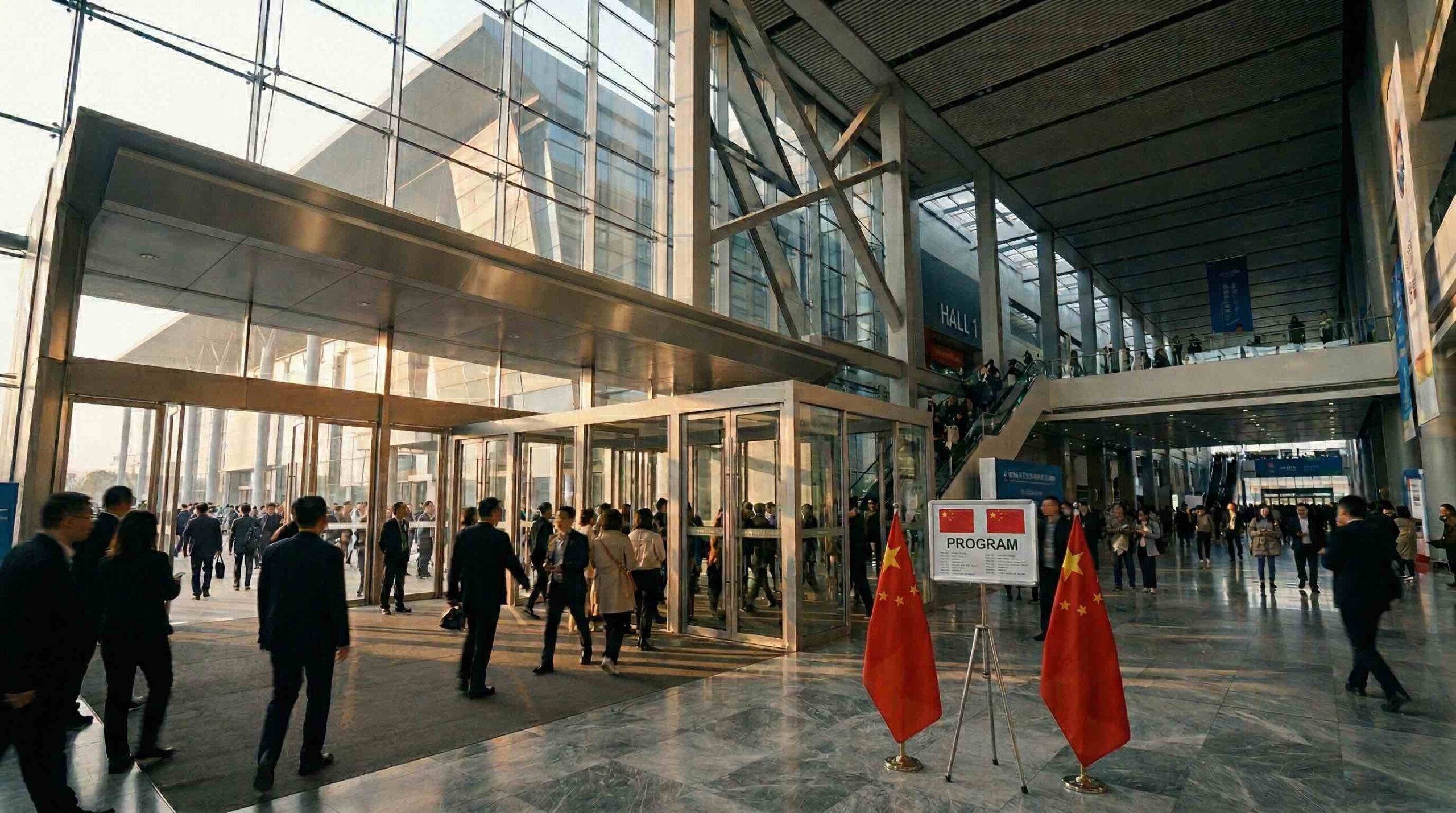
As the Middle East slowly plunges into complete chaos – events from Asia barely make it to the front page.
Yet, Chinese leadership held important political gatherings. Conveniently dubbed the annual “two sessions”, the National People’s Congress and the Chinese People’s Political Consultative Conference (CPPCC) saw thousands of delegates gathering in Beijing.
Led by Chinese President Xi Jinping, who emphasized loyalty, anti-corruption and national security, the meetings approved an ambitious growth target of 4.5 to 5 percent.
Premier Li Qiang reacted to current world events and laid out a list of priorities, along with a report of the government’s work.
New legislation was also promised: a new financial law and a dedicated financial stability law. Both with the aim of supporting Beijing’s ambitions to become a financial superpower.
The 15th Five-Year Plan was presented as a ‘strategically recalibrated, innovation- and sustainability-driven approach’ to economic growth and China’s growing trade and security concerns.
It wants to achieve basic socialist modernization while promoting high-quality development and strengthening domestic demand. The plan is to implement balanced state-market mechanisms and institutionalized planning to foster long term stability.
The plan also outlines several guiding principles and strategic focuses for the future, including the improvement of institutional frameworks for economic and social planning, channelling research results to real-world problem solving and upgrading resilient manufacturing.
More importantly from the EU’s perspective – further strategic initiatives were highlighted in industrial modernization (AI, aerospace, biomedicine and quantum technology). The very same things the EU wishes to develop. As technological self-reliance takes centre stage in China, the EU needs to find ways to cooperate with the Asian giant.
In other words, the plan is to ‘significantly enhance the country’s ability to innovate” and to mark ‘increase in fields where China is keeping pace with or leading the world’.
Though the end of 2025 and early 2026 has seen a surge of European visits to Beijing, suggesting a willingness for practical cooperation with China – the renewed engagement is yet to bridge the disruptions (trade frictions and rare earth supply concerns) of 2025. It’s not a reset yet, more an effort to avoid further disruption.
The ensuing summits galore (in continuation of last year’s 50th anniversary of EU-China diplomatic relations) will provide plenty of photo ops and opportunities for declarations, but the tone still remains cautious. Chancellor Merz watching a robot dance show with a half-smile plastered on his face won’t solve the ongoing trade disputes.
If anything it’s a dark reminder of how far China has advanced in modern technologies and how it’s domestic policies and global positioning still puts it ahead of Europe in the great global competition.
At the opening ceremony of the National People’s Congress (NPC), Premier Li Qiang pledged to champion “orderly multipolarism” and “inclusive globalization” – that translates roughly to Beijing expressing willingness to cooperate with everyone as long as the divergence in values is off the negotiating tables.
Yes – for leveraging mutual economic and technological strengths, maintaining a balanced multilateral global system, structured dialogue and coordinated policy instruments in key areas like climate and green transition, infrastructure or crisis management.
Yes – for international technology partnerships, joint R&D programs and to offering investment opportunities in emerging Chines industrial clusters.
No – for unwanted “sticks” linked to human rights, transparency and rule of law standards.
Now, it’s Europe’s turn to come up with ways to make it work if it wants to have a standing chance in the global race.


