
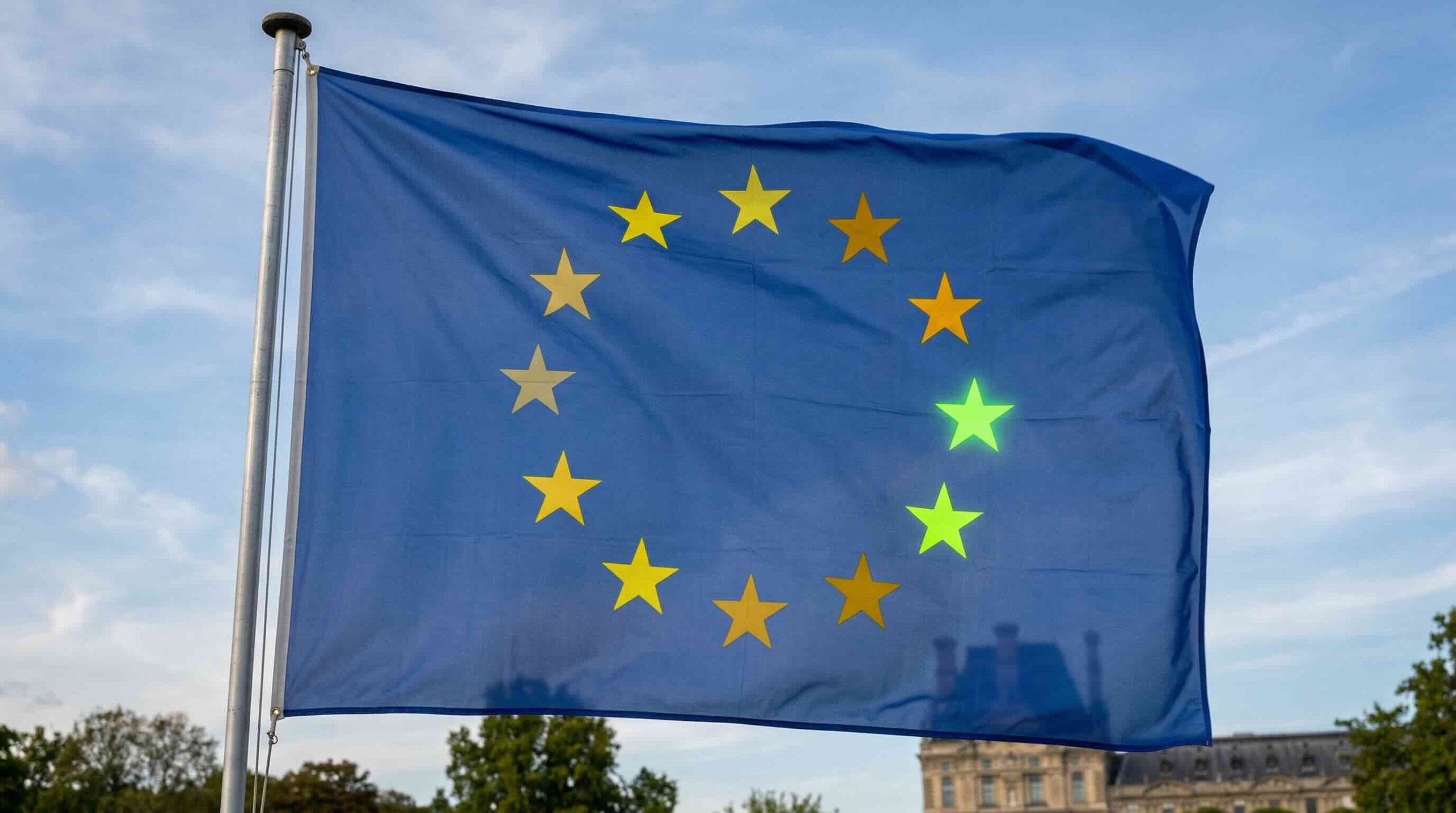
The Founding Fathers of the European Union built their vision around the principle of equality and democracy, peace and solidarity, subsidiarity and proportionality.
New member states entered the bloc knowing that there was no difference between members. Once you met the strict requirements and you were in – you were in.
During the last decades, the limits of the principles of subsidiarity and proportionality became somewhat blurred as integration’s spillover effects slowly crept into policy areas originally not meant to be covered by the new supranational organisation.
As the membership grew, decision making became increasingly difficult. It requires a great deal of negotiations to align the differing interests of member states. It’s slow and inefficient, without doubt, but unanimous decision making is still the best defence for national sovereignty.
The right to veto ensures that even the smallest member states’ voices can be heard – even against the votes of the biggest ones.
A burden and barrier for one is the strongest guarantee for the other, bringing vital balance to the system. The lever ensuring that no member state can exert dominance over the other.
The European Commission (and the Parliament) have been on a collision course with member states for a while about the distribution of powers within the system.
The recent proposals to fast-track Ukraine’s EU accession and to overhaul the accession framework fit into this battle.
Hiding behind the slogans of ‘geopolitical urgency’ and ‘phased integration’ the step is another attempt to limit the role of national governments. Right now, capitals a dominant position in the enlargement process. With the overhaul of the framework, many prerogatives would be placed in the Commission’s hands.
In theory, departing from the regular process means a brand-new opportunity: fast, efficient and controlled. The last accession treaty was concluded more than fifteen years ago, after all, with Croatia.
In practice, it risks more than a hasty enlargement very likely destined to doom.
Moreover, it sends a strong message to the countries of the Western Balkans, especially frontrunners Montenegro and Albania. These countries have invested years of efforts into modernising their governance, harmonising legislature and opening their economies to meet the enlargement requirement.
Now, a fast-tracked Ukrainian accession would not only render some of those efforts unnecessary, but in practice, it would create a two-tier membership. It would set an unwanted precedent – a clear deviation from the principle of equality.
Membership in the ‘club’ will no longer mean equal rights, but only being subject to the tyranny of a minority group of stronger, more dominant states with aligning interests.
The efficiency of decision making would probably improve, but the cost would be a more stricter hierarchy and the loss of another piece of national sovereignty.


