
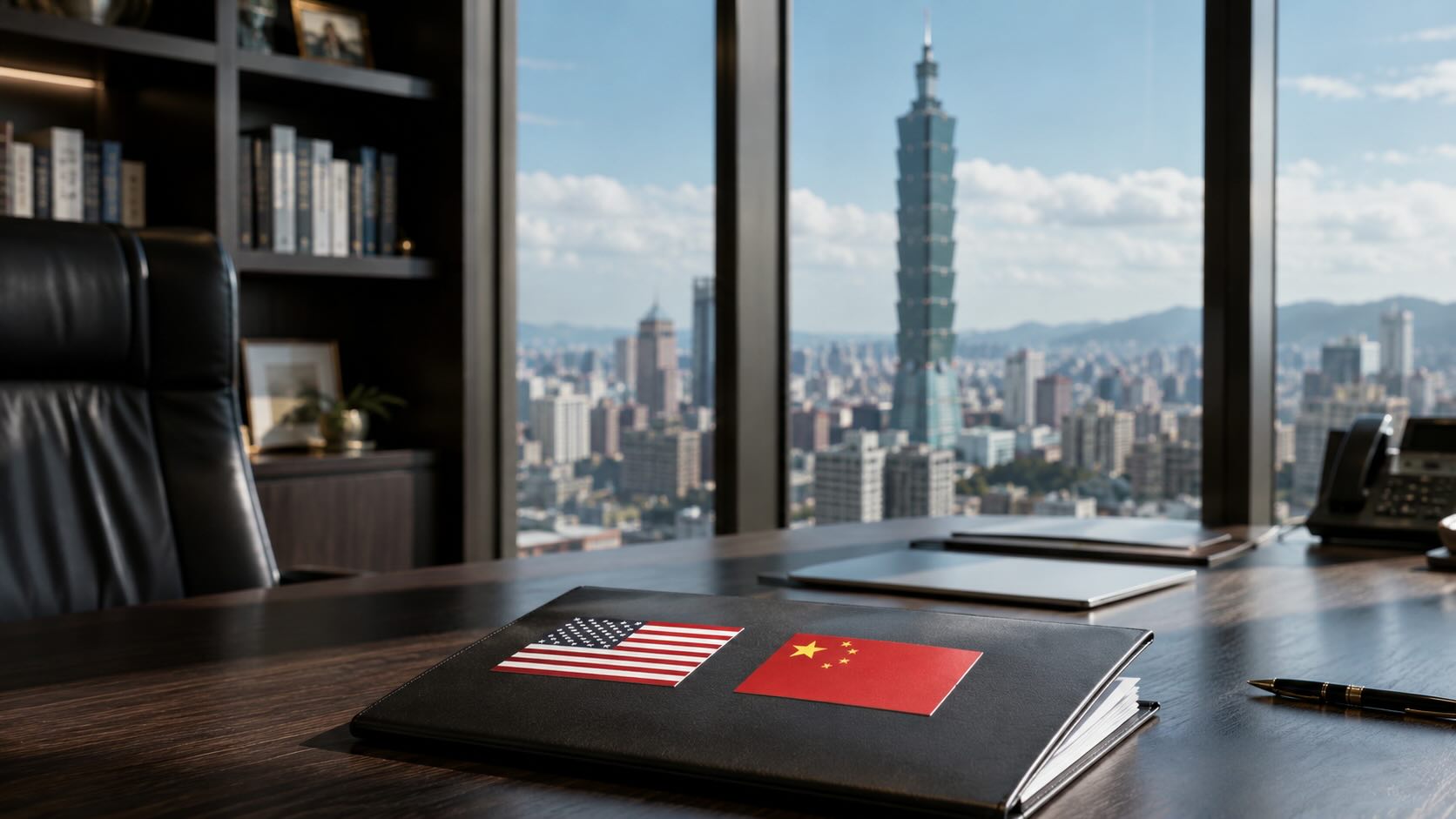
Eighteen months after President Donald Trump declared a national energy emergency on his return to office, his doctrine of “energy dominance” is showing its cracks. The vision was clear: flood global markets with American oil and LNG to reassert power, undermine China’s clean-tech leverage, and force allies into dependence. Yet this strategy conflates production volume with strategic control. Prices remain dictated by OPEC+ decisions, shipping chokepoints, and renewable adoption rates—factors Washington struggles to command despite obstructing climate action and pressuring Europe to abandon Russian gas.
Coercive tactics have yielded tactical victories. Venezuela has moved closer to the U.S. following Maduro’s kidnapping. The EU pledged $250 billion annually in U.S. energy purchases, with Japan, South Korea, and Taiwan making similar commitments. But these are compliance purchases born of tariff fear and security anxiety, not compelling economics.
The Rise of the Electro-State
Meanwhile, China pursues a fundamentally different energy strategy. It now manufactures approximately 80% of global solar panels, 77% of wind turbines, dominates EV battery supply chains, and controls most critical minerals.
While simplistic, the energy wars metaphor holds truth: China embodies a rising electro-state positioned for long-term victory. The U.S. increasingly resembles an insecure petrostate relying on military might, fossil endowments, and disregard for international law to sustain an outdated dominance model.
When U.S.-Israeli attacks on Iran sparked the Strait of Hormuz crisis, this divergence became visible. American consumers absorbed price shocks while China’s renewable infrastructure, EV transition, and strategic reserves cushioned its economy.
Taiwan’s predicament epitomizes this structural tension. Its 2050 net-zero target requires tripling renewable capacity while managing a post-nuclear transition as the island shuttered its last reactor in 2025, amid relentless industrial demand growth. Taiwan’s semiconductors form the physical backbone of clean transition – essential for AI infrastructure, smart grids, and EV controllers. Yet nearly all its key supply chains run through China or Chinese-controlled Southeast Asian firms already demonstrating willingness to weaponize export controls.
While the U.S. boasted of vessels waiting to load American crude, China saw record EV export growth. U.S. fossil fuel companies enjoy windfalls, but EVs endure on roads while oil shipments remain transient. China spent three decades constructing the next energy order’s infrastructure; the U.S. remains a fossil superpower deploying sanctions while ceding clean-technology ground it once led.
Middle Power in an Uncertain Landscape
Most nations occupy an uncomfortable middle ground: dependent on imported fossil fuels, racing to build renewable capacity, and watching this rivalry with mounting anxiety.
Taiwan’s position is particularly precarious. The island imports roughly 94% of its energy, with LNG and coal arriving through maritime corridors that could become contested in any conflict. The Hormuz disruption exposed an Achilles’ heel: approximately one-third of Taiwan’s LNG supplies were affected.
Taiwan’s dilemma contains three interlocking dimensions. Security: a Chinese blockade would trigger simultaneous energy and semiconductor crises. Demand: chip fabs and data centers consume massive electricity, with TSMC alone accounting for around 8% of national consumption and AI-driven demand projected to exceed national averages. The third is climate: achieving Taipei’s 2050 net-zero mandate demands tripling renewable capacity while navigating a precarious post-nuclear transition—having shuttered its final reactor in 2025 – even as relentless industrial power demand continues to outpace infrastructure development.
As the electro-state and petrostate collide, middle powers like Taiwan face the hardest choices.


