
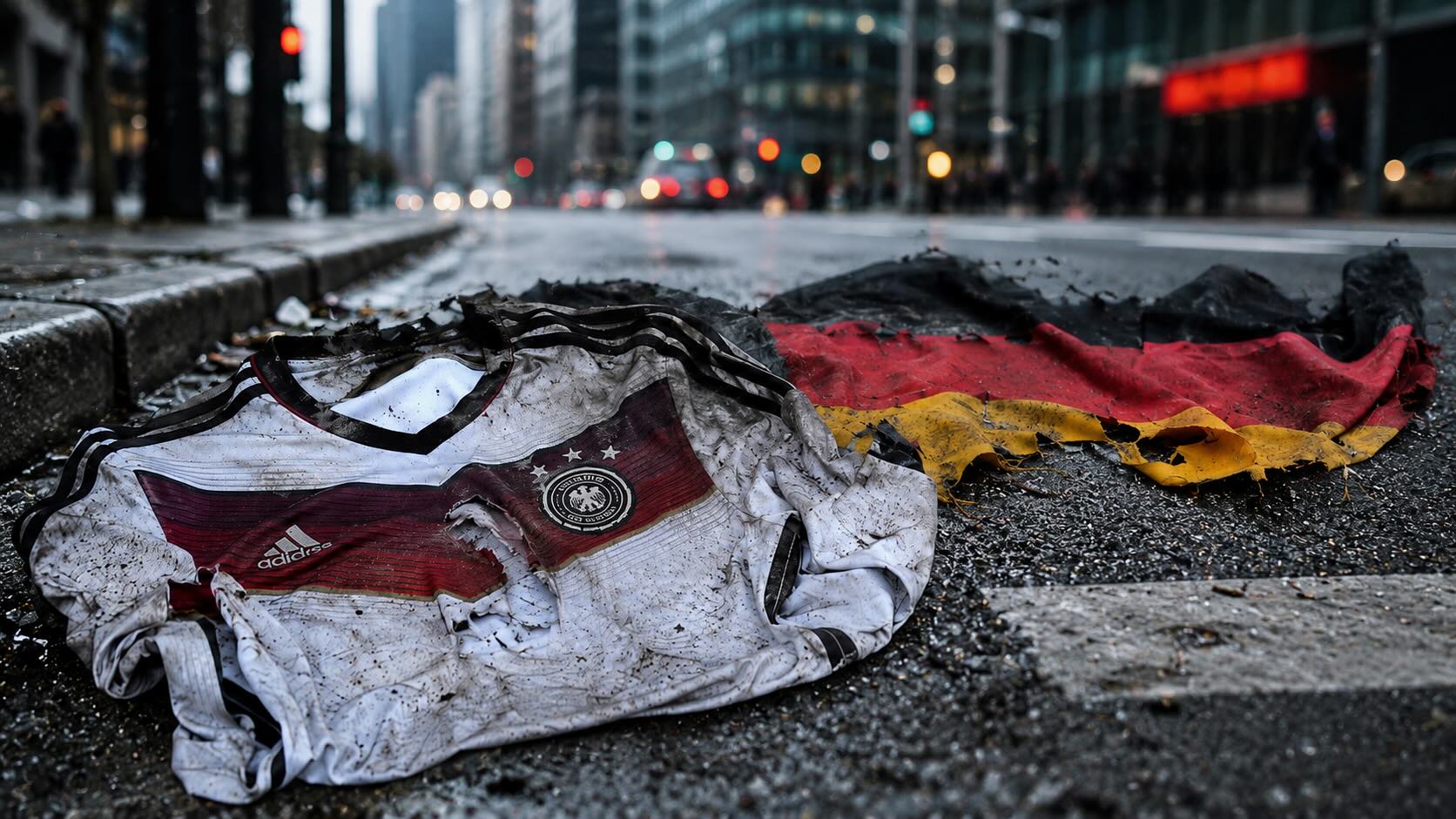
It’s probably a euphemism that Germany is navigating a complex and difficult period.
And mainly not because it’s been the third World Cup in a row that Germany didn’t make it to the round of 16.
The glory days of 2014 are long gone and it’s probably a small consolation that at least Lufthansa doesn’t need to repaint yet another Boeing.
The (football) decline that started in 2016 somewhat mirrors the struggles the country faces on a larger scale – one that somehow makes once model Germany look like ‘second-tier’ (and not just its national football team). “Die Mannschaft” shows the same symptoms: shaky defence and lack of decisiveness, adaptation failures (especially on the tactical level) and organizational indecision.
Take, for example, probably the worst economic news of the week – Germany’s other emblematic “product”, Volkswagen just announced the layoff of thousands of workers and the closure of factories. The reason behind the dramatic step is first and foremost the company’s declining competitiveness due to reliance on outdated production models. And somewhat lagging behind in innovation (think: Chinese electric vehicles).
Of course, geopolitical disruptions and the generally dismal state of Germany’s economy didn’t help, either – but most of VW’s problems is internal.
And in both cases – Germans’ disappointment resonates culturally, an imaginary wake-up call to a (symbolic or not so) decline. At least compared to historical standards.
Another event – a mass shooting in the peaceful northern town of Stade opened yet another debate.
As though the event itself hadn’t been shocking in the country with one of the strictest gun laws in Europe, comments on social media immediately focused on the attacker’s immigration background. Even if authorities quickly refuted the claims and unverified reports, declaring that the tragedy was caused by a family dispute, the damage was done.
One party to benefit is AfD – the party that consistently portrayed immigration as a security threat.
Chancellor Friedrich Merz is struggling to react – on many fronts, from football to addressing “lazy workers”.
His latest message to the 46 million German workers? A dramatic overhaul of labour laws– making it harder for employees to take sick leave. The reason: prolonged absences from work cause competitive disadvantage, and the country can no longer afford it.
Naturally, the stricter sick leave policy is just one of the 34 measures involved in the freshly announced reform package, all aimed at boosting productivity, improving competitiveness and stimulating economic growth in times when the German “engine” seems to be stalled, but at least stagnant.
Probably not a step to help with his rather low approval ratings – according to a recent survey, he recorded a ‘staggering 76 percent disapproval rating. A significant reduction of public confidence – and a mirror of how German’s are disappointed with his handling of inflation, economic uncertainty and immigration.
Coach Julian Nagelsmann was ousted after “Die Mannschaft”’s poor performance – Chancellor Merz’s future also doesn’t look quite bright.


