
While no European government manages to beat the speed by which British governments replace each other, many lack the stability to fill their (usually) four-year term.
Slovakia’s Prime Minister Robert Fico seems to have joined the illustrious company.
His coalition in the parliament no longer has slack: they hold a meagre three-seat majority in the country’s 150-seat parliament. There’s not much room to manoeuvre.
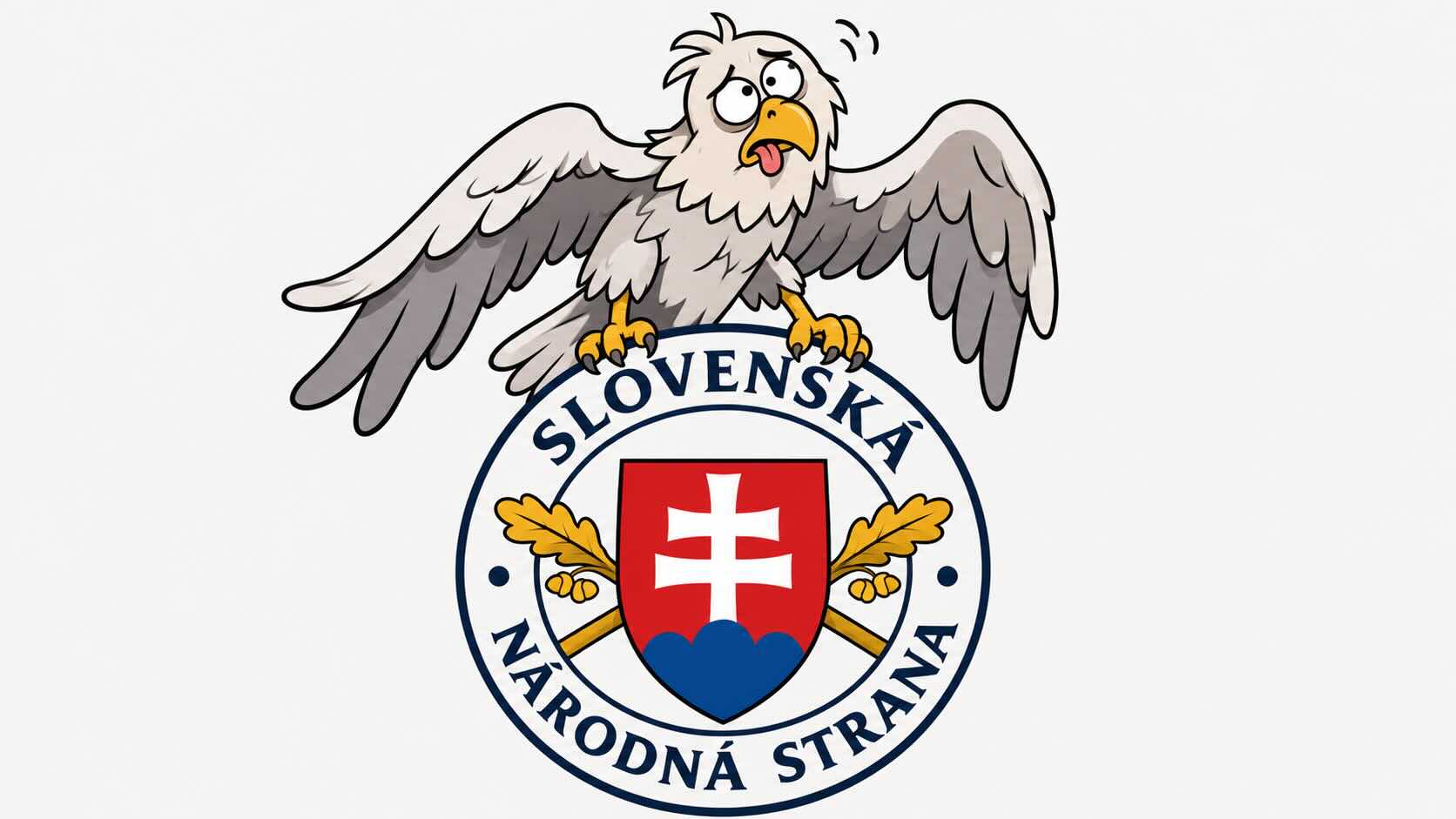
Fico had been forced to manage the internal dynamics of his coalition for a while, but the recent spat within the junior coalition partner Slovak National Party (SNS) turned out to be a bite too big to swallow.
The internal dispute centred around Environment Minister Tomas Taraba, who threatened the SNS with leaving the party and forming a new group with a few other deputies. Fico tried to intervene, basically giving a ultimatum to the party, but the conflict spiralled further and eventually ended with the parliament withdrawing confidence from Taraba.
That, on the other hand left Fico with a very fragile majority in parliament – and highlighted another vulnerability. Maintaining the majority will require substantial and concerted efforts to keep internal disputes from disrupting policymaking.
That in itself will be challenging.
The vote couldn’t have happened, hadn’t the SNS allowed its deputies to vote with the opposition to remove a minister originally nominated by the party.
In clear defiance of Fico. Who tried and failed to solve the problem – a possible sign that his positions within his own coalition have weakened.
As a desperate last-minute effort, the prime minister floated the possibility of early elections, but even that couldn’t stop the events. And probably Fico wouldn’t want them either – the latest polls aren’t in his favour.
An Ipsos survey puts his Smer party’s support at 16.9 percent (a seven percent drop since 2023). The coalition partners didn’t fare better, either: SNS is at 2.2 percent (compared to 5.6 percent), while Hlas is at 6.6 percent (compared to 14.7 percent). Fico’s personal approval ratings are also dropping while opposition leaders have gained ground.
So, the likelihood of an early vote (at least one initiated by the government itself) is low.
The alternative is a minority government.
Notorious for its lengthy after-election negotiations, Belgium often manages to go on for many months without any government at all (save for a caretaker government functioning as decoration), let alone a minority one.
Slovakia cannot afford the same luxury.
It needs a government that can govern effectively and is not fighting for its own survival.
The budget is in a terrible shape, the economy feels the effects of the global insecurities. At the home front, large demonstrations have repeatedly challenged Fico’s policies, let them be domestic or foreign policy issues. Many demand the reversal or the pro-Russian stance and the reaffirmation of EU and NATO alignment.
The longest-serving prime minister in Slovakia’s history faces declining public trust as the electorate demands that he meets the unfulfilled policy promises.


