
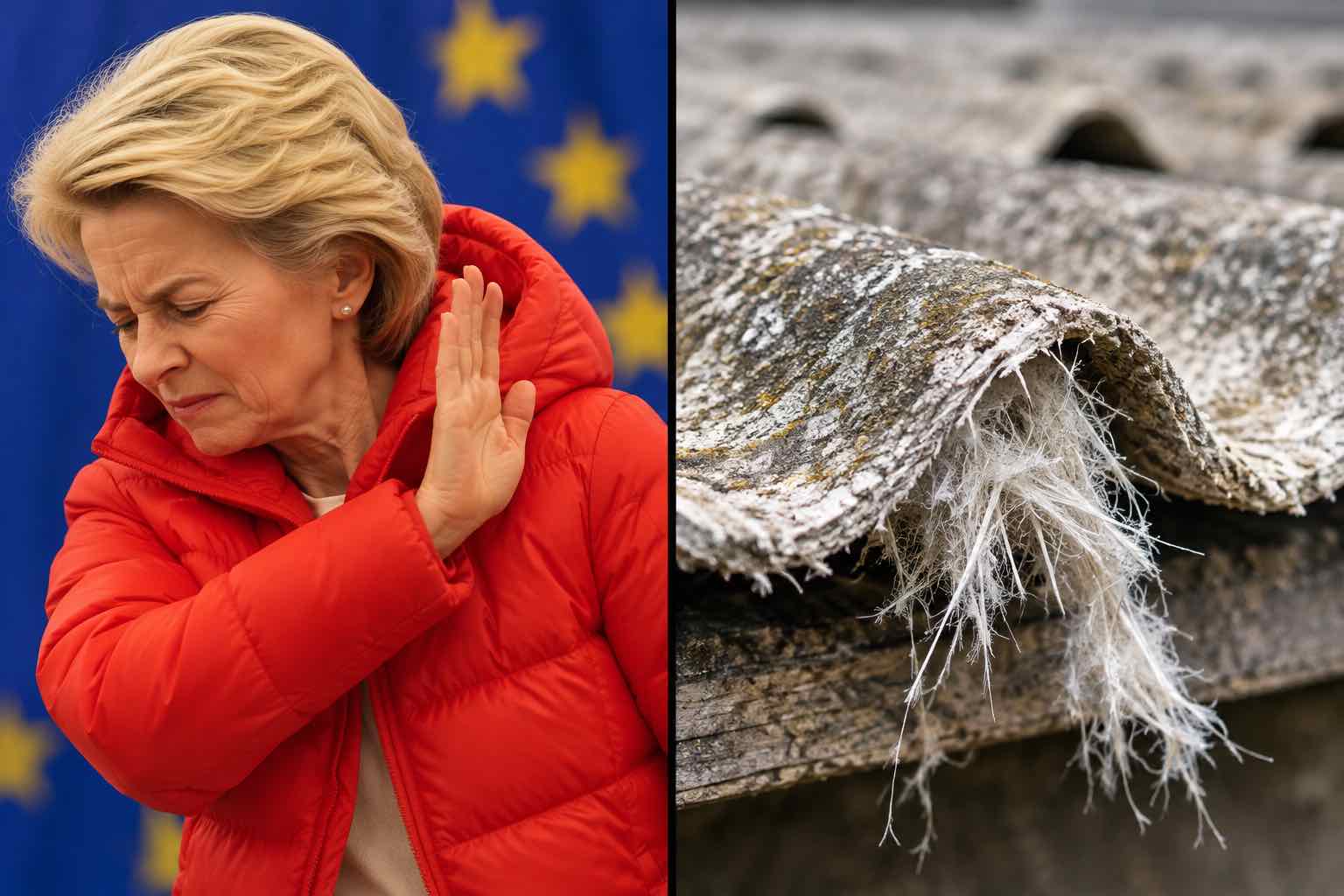
The EU’s overzealous approach to regulation is notorious, even if the era of strict marketing standards for certain fruits and vegetables is over. Ironically, all the regulatory excess was justified by the need of removing regulatory barriers.
Thus, at times, the EU regulatory framework looks/looked more like the famed Code of Hammurabi – detailed, casuistic format outlining specific scenarios, and failing to address lots of other, more general issues. Unforeseen contingencies and ambiguous cases are, supposedly, non-existent.
Probably nobody ever believed that cucumbers with uniform lengths, diameters and curvature were the single possible way to ensure fair trade and consumer protection – yet, it took years for the focus to shift onto ensuring that produce is actually healthy, sound and free from contamination and pests.
And Mario Draghi might have written his famous report, demanding that the EU regulate less and regulate better, there are many areas where the same step (reviewing the regulatory framework with a fresh, more focused mindset) is still missing.
In other areas, proper legislation is or might have been in place for quite a while – but execution and control was not. One such infamous area is wine exports. From France to Spain, and from Italy to Austria – several cases prove that lack of efficient control can endanger public. The scandals were sometimes “simple” quality issues (e.g. when cheap wines were mislabelled as prestigious regional varieties, like in Bordeaux or Austria’s famous Grüner Veltliner) to serious health hazards (methanol used by Austrian wineries to make wines taste sweeter to taste like expensive late harvest varieties).
The latter is a particularly good example from the 80’s. Lack of control on the Austrian side led to significant amounts of poisonous wine getting exported to (then West-) Germany and elsewhere in Europe. It was only during a routine laboratory analysis conducted in Stuttgart that scientists identified the toxic ingredient.
Back then, the whole common market was still only in the process of integration – yet, once a product crossed the borders without proper domestic checks, it could cause havoc in the whole block.
Recently, another “product” joined the line of hazardous items with insignificant control.
Gravel.
More specifically crushed stone and aggregates naturally containing asbestos originating from Austrian quarries and used all around Hungary to build road foundations, parking lots and other infrastructure.
Using asbestos or mining for it is heavily regulated across the EU – but the law on mining for other rocks (that might or might not contain natural asbestos) is far more ambiguous. Labelling is required if the asbestos content exceeds 0.1 percent of the whole mass, but it doesn’t prohibit placing the material on the market.
And for the last ten years, quarries from Austria’s Burgenland region exported millions of tons of stone to the neighbouring country, making use of the exact loophole. Even though the asbestos contamination has been common knowledge probably as early as the late ‘80s, but definitely since 2011. Their profit is estimated to exceed two-hundred million euros.
The mining and trade could have continued for many more years – it was only thanks to a different legislative change (an update to EU workplace safety regulations regarding the limit of asbestos fibres per cubic meter) which prompted renewed inspections at the affected quarries that the problem was brought to light.
As of now, most quarries involved in the incident are closed – something that should have been done before the scandal. For example, with regular checks and quality control before or during the mining process itself. Just like with Austrian wine in the ‘80s – once the hazardous product crossed the border it ceased to be an Austrian-only problem.
Investigations into the damage and contaminated areas are still ongoing – and it might take years until the full extent of the contamination is discovered. Safe removal and treatment will also take years and cost millions of euros. The long-term health impacts will affect the lives of hundreds of thousands of people for decades to come – especially as asbestos-related health issues have long latency period. It might take 20 to 50 years until exposure that the first symptoms manifest.
Though EU legislation is clear on laying responsibility for the clean-up on the shoulders of the polluter, those who placed the asbestos-containing rocks on the market can claim they didn’t do anything illegal and point at the missing or ambiguous legislation.
Greenpeace Österreich (the Austrian branch of the organisation) has been demanding stricter regulations and frequent quality checks for years. It also demands that any material containing more than 0.1 percent of asbestos by weight should be classified as hazardous and banned from commercial use.
In vain.
Since the scandal, Greenpeace was joined by many other voices calling for stricter geological screening of hazardous minerals, tighter controls, and harmonized EU-wide standards. In places where it truly matters.
If the EU wants to keep consumers’ trust in the integrated common market, it’s an unavoidable step: regulating in the right places and in the right amount.
The size or curve of the average cucumber probably poses less danger to public health than the quality and poison-content of products.


