
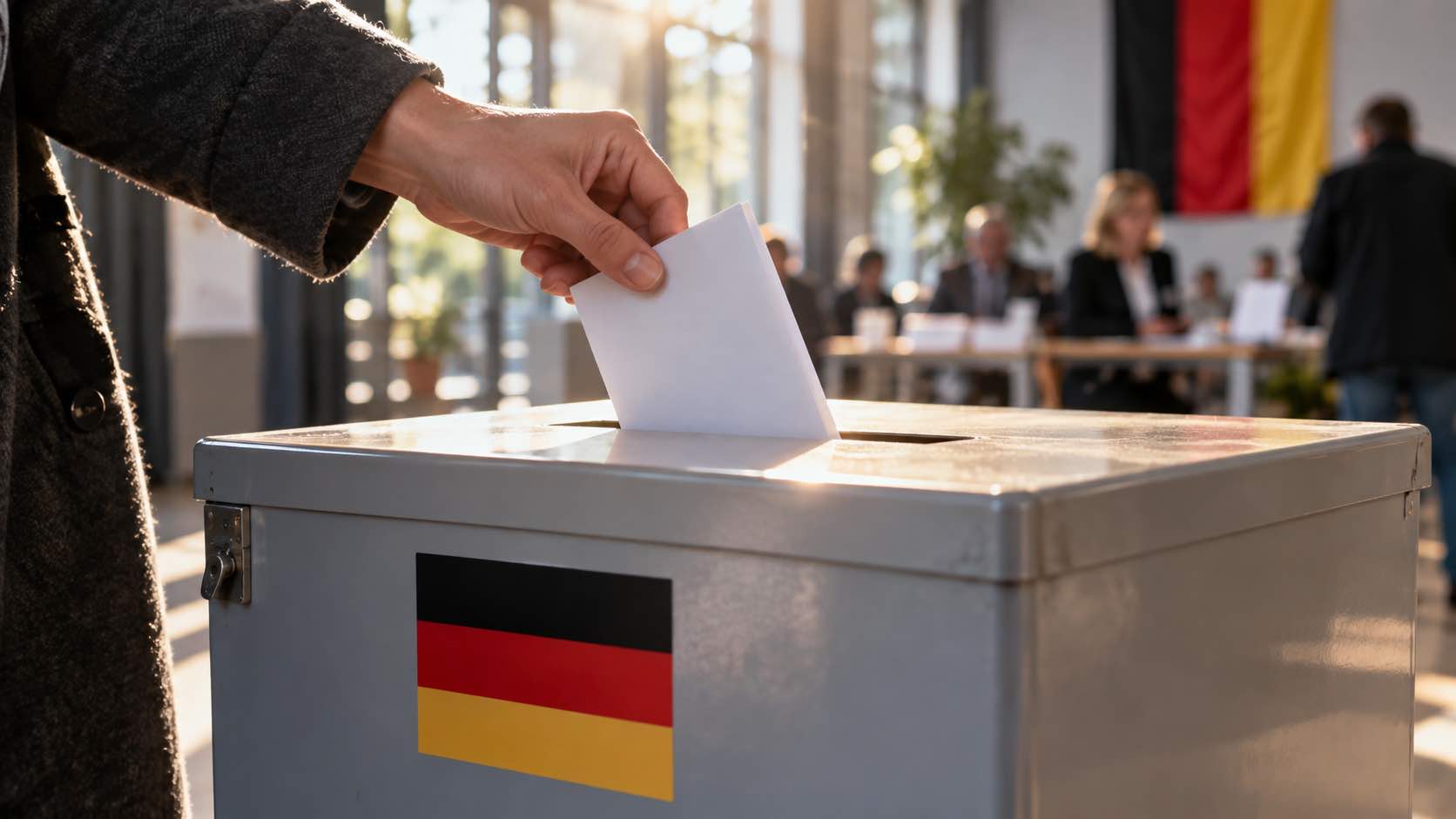
On the September 6, 2026 elections in Saxony-Anhalt; the Alternative für Deutschland (AfD) beat even the pre-vote polls. The ‘far-right’ party not only won, but, with 43.8 percent of the votes, it came very close to winning an absolute majority – at the time when the ruling CDU lost more than 20 percent of its electorate. In comparison, the AfD almost doubled its 2021 results.
There’s been a lot of soul-searching since, experts analysing the AfD’s highly successful campaign and mobilization efforts, but the simplest explanation is probably the closest to reality.
The AfD talks about the problems that matter most in one of the country’s most sparsely populated states.
Exit polls have revealed that 91 percent of those who voted for the party considered immigration as a huge problem – while a whopping 83 percent thought that the current federal government led by Chancellor Friedrich Merz was “insufficiently concerned with the problems of ordinary people”. Other, recurring reasons for supporting the AfD were lack of security, sovereignty, and concerns about the economy.
Though the electorate in the former East Germany has an extra grievance, namely that they still often feel second-class citizens in the unified country, the above sentiment is shared by many across Germany. Dissatisfaction with current developments and trends is widespread.
Not so surprisingly, these topics slowly made it into the election campaigns of the political centre, as well, even if, for decades, those parties shunned such sensitive issues.
It was neither convincing enough, nor authentic in problem-ridden Saxony-Anhalt where the unemployment rate is almost two percent higher than the national average and the population has faced continuous decline basically since reunification.
Officially still isolated behind a ‘Brandmauer’, the AfD has now the chance to form Germany’s first ‘far-right’ state government since World War II.
It might not succeed as many parties reject cooperation with the party that’s ‘confirmed right-wing extremist’ according to the Bundesamt für Verfassungsshutz (BfV), the country’s domestic intelligence agency.
But the results serve as an eye-opener: people want change in the country. And if it doesn’t work one way, they’ll find another. Even if it means that instead of voting for the least popular German chancellor ever (and his entourage), they need to side with a party that is still called Neo-Nazi by many.
Or on a party on the other end of the spectrum: the far-left BSW also crossed the 5 percent threshold. Its views on immigration are very similar to those of the AfD. The BSW has already signalled its willingness to cooperate with the AfD on individual policies, e.g. migration, energy or the topic of Russia.
Given Saxony-Anhalt’s size and the overall structure of the ‘Bundesrepublik’, the success of the AfD might not influence much on the federal level, either. But it’s a sign that business as usual for the mainstream parties is officially over.
Maybe it’s time to listen to the voters.


