
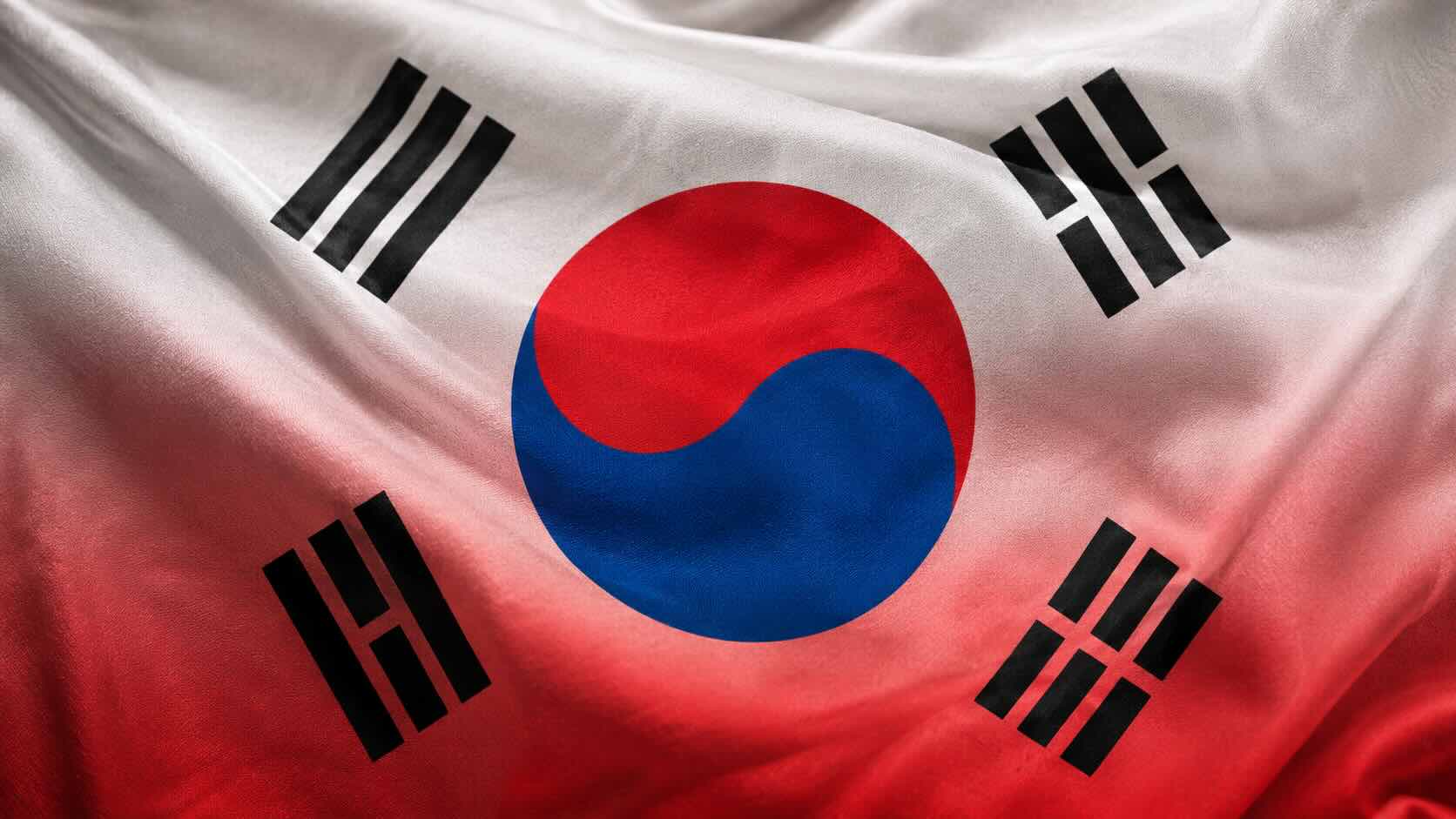
South Korea is not preparing to abandon the United States and to move into Camp China. (Not yet, anyways.) Not in the least because nobody else can offer the same level of security guarantees as Washington has since the 1950s.
Though a series of developments this August suggest that adjustments are being carried out – as though South Korea would be increasingly determined to maintain some room of manoeuvre between the two giants. And Washington seems to be increasingly willing to remind Seoul that its security umbrella is not unconditional.
These developments occurred both in the economic and the military sphere – and they did almost simultaneously.
On August 5, Reuters reported about a possible deal-in-the-making between Samsung Electronics, SK Hynix and China’s Advanced Micro-Fabrication Equipment (AMEC). The South Koreans are said to be evaluating “made in China” semiconductor-manufacturing equipment. The companies disputed aspects of the report, though.
The real significance is what the report didn’t say: the deal would provide a buffer. An alternative in case American restrictions on semiconductor-technology became more severe. And demand is increasing for alternatives to technologies controlled by Washington.
In the same manner, Seoul and Beijing have spent the past year strengthening dialogue on supply chains, export controls and economic cooperation.
The tricky part is that though China is a lucrative and enormous market (and is, obviously an essential part of the Korean industrial ecosystem as both Samsung and SK Hynix operate major production facilities there), South Korea is deeply integrated into the American-led semiconductor system. It cannot simply replace American, Japanese or European technology with a Chinese alternative.
Thus, this is not a pivot – rather strategic diversification motivated by insecurities around supply chains, tariffs and open global markets. South Korean doesn’t want to detach itself from Washington. If anything, it wants to remain allied with the US, at the same time as reducing the possibility that either Washington or Beijing can exercise too much leverage over it.
This makes the military dimension all the more important.
On August 16, President Donald ordered the Pentagon to reduce American participation in joint military exercises with South Korea – reportedly without prior consultation with Seoul.
The official reasons vary from reasonable (costs) to surprising (President Trump’s desire to maintain a cordial relationship with North Korean leader Kim Jong Un) and petty (a retaliation for South Korea’s unwillingness to participate in American efforts against Iran), but the truth seems to lie beyond these.
Officially, the reduction has nothing to do with the economic developments.
But the message’s timing is curious. The decision was announced when Chinese Foreign Minister Wang Yi was visiting Seoul for discussions on regional security – hitting where it hurts the most.
South Korea’s security architecture is a unique mix of a large and technologically sophisticated military and a dependence on the US. Its national defence is deeply integrated with American forces, intelligence, command structures, logistics and extended nuclear deterrence.
For years, it fit perfectly in the implicit and relatively straightforward South Korean strategy: heavy reliance on the US for security while maintaining substantial economic relations with China.
Cutting short a joint military exercise is more significant than it suggests.
A firm, but polite warning (quite unusual nowadays).
It’s a demonstration that Washington can change the level of its military involvement in South Korea relatively quickly, especially if Seoul keeps on taking steps in the wrong direction.
South Korea tries to achieve some economic flexibility in view of the latest international developments – and the United States shows that it can also approach its security commitments with greater flexibility. And it’s willing to use it to achieve its main goal: convince Washington’s allies that they shall participate in containing China’s technological rise. Given that, the Korean model is getting progressively more unsustainable.
The US is (and will remain) indispensable to South Korea’s most advanced technological ecosystem. But Washington’s tariffs, restrictions and export controls affect the ability of Korean companies to operate their Chinese facilities. Seoul doesn’t want to choose China over America, it would only need an insurance policy – something Washington is probably unwilling to authorize at this point.
Seoul might want to balance the two giants, trying to avoid getting trapped between them – but the reality is that it’s already stuck. Washington’s message was clear, not only for South Korea, but for every other country.
Everybody is free to make their own economic choices, but the security umbrella also has a price.


