
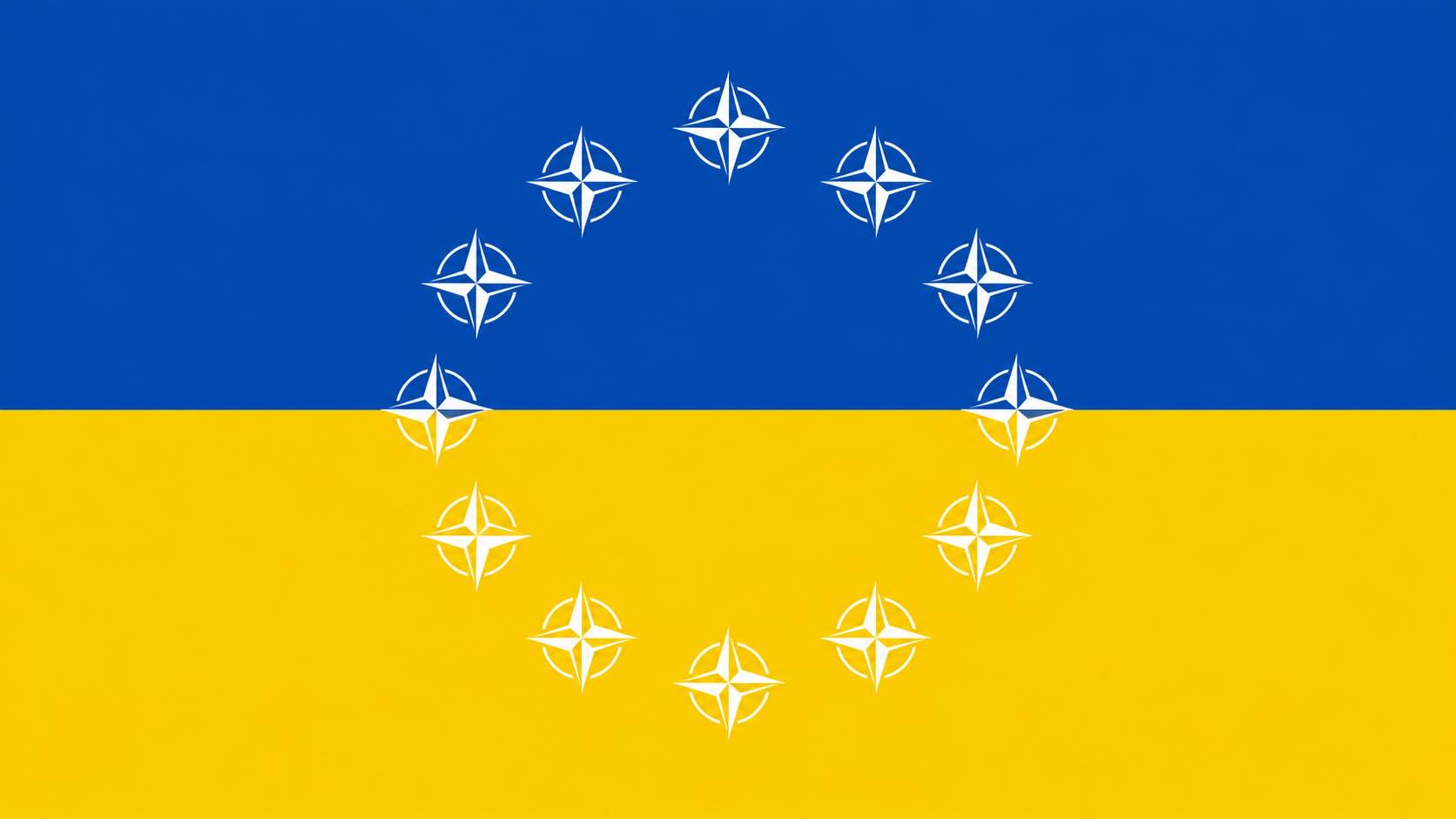
Ukrainian President Volodymyr Zelenskyy identified three priorities for Kyiv’s cooperation with the European Union. One of them is progress towards full EU membership, partly because this is not only a political or economic issue, but also a security issue for his country.
’Ukraine is working specifically toward full membership in the European Union. We view this not only as a political or economic task, but also as a security task – both for us and for the European Union. Ukraine’s accession to the European Union will eliminate the geopolitical uncertainty that Russia has exploited for several decades to sow destabilization in both Ukraine and the European Union. At the same time, with Ukraine’s strength, the European Union gains the necessary security capabilities, making it possible to strengthen the European component of the Euro-Atlantic community.’, the Ukrainian leader said on X.
One of the outcomes of Russia’s war in Ukraine that Kyiv has undoubtably become a close partner of the EU. (It should be noted, however, only long-term developments will enable us to assess whether this is indeed a favourable for both sides.) In this context, it needs to be stressed that, despite Ukraine is at war with Russia, top officials in Brussels encourage it to continue its path towards full alignment with the EU Common Foreign and Security Policy. Moreover, the EU opened accession negotiations with Ukraine on external relations policies (Cluster 6). This is a core thematic grouping within the EU’s accession negotiation framework setting the parameters for how candidate countries align their international, trade and defence policies with the EU, a press release issued after the third meeting of the Accession Conference with Ukraine held in Brussels on 14 July said.
The EU and its member states have significantly stepped up their military support for the Ukrainian armed forces since February 2022. Since the start of the war, the EU’s member states have provided €215.2 billion in support for Ukraine and its people. The assistance includes €77 billion in military support. In June 2024, the EU and Ukraine signed joint security commitments. These commitments will help Ukraine to defend itself, resist destabilisation efforts and deter acts of aggression in the future, according to the bloc’s leadership hopes.
One of the most successful fields of cooperation between the EU and Ukraine can be seen in the defence sector. According to one of the frequently repeated communication panels used by the European Commission, Ukraine’s expertise, combined with the strong defence capabilities of EU member states, has the potential to significantly strengthen Europe’s future competitiveness, resilience and defence readiness.
However, in fact, the EU has only taken steps to promote defence industrial cooperation with Ukraine. Considering that this is purely a trade deal involving ’regular’ defence products which do not reach the level of the U.S.-made Patriots – which are truly essential for Ukraine -, this defence collaboration will certainly not contribute significantly to either Ukraine’s self-defence or strengthened EU security.
For both Brussels and President Zelenskyy, this is simply a business deal which leads to nowhere. Despite Ukraine has one of the largest armies in Europe – with around 800,000 personnel which is now listed among the most experienced in the world, especially in drone warfare -, this army is, at the same time, extremely exhausted and faces very serious difficulties with conscription on a daily basis, not to mention the multi-million-euro corruption scandals that rock the system from time to time. The army’s main driving force is the love of Ukrainians for their country, but this love and deep patriotism cannot be transformed into a willingness to defend the EU.
Similarly, given that the European Union traditionally is a group of nation-states truly committed to peace, the EU’s defence capabilities – even if combined with the bloc’s geopolitical potential -, are unable to protect Ukraine from Russia’s aggression without the Patriot anti-missile systems and a broader support from the US. What President Zelenskyy suggests – namely, that Ukraine’s EU membership could eliminate the geopolitical uncertainties in the region – is nothing more than mere political rhetoric, motivated by his effort to keep his job as president.


